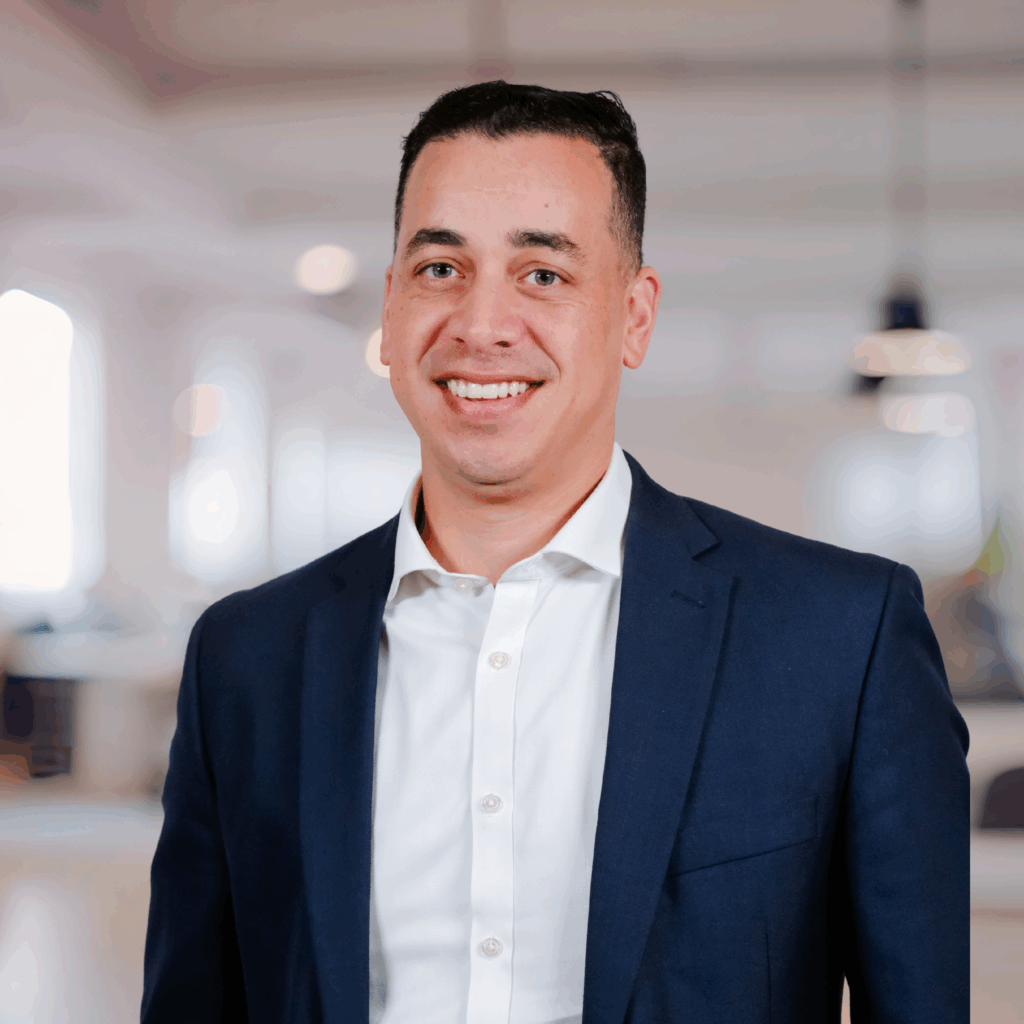
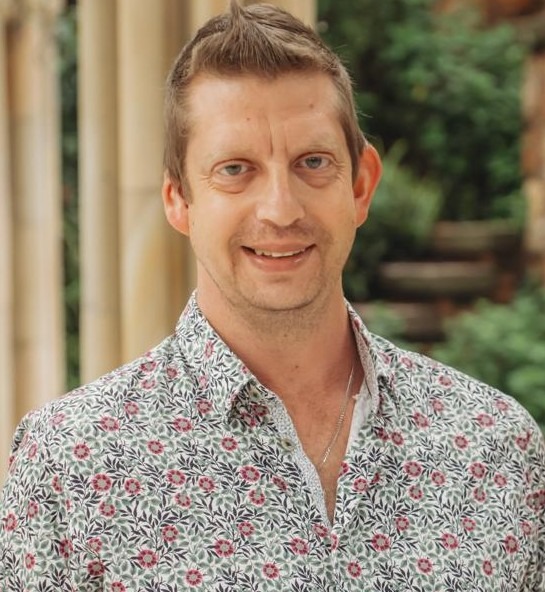
Saul Josselowitz stands out as a leader who understands that numbers tell a story—but only if you know how to read them. With nearly two decades of experience spanning finance, microfinance, technology, and automation, Saul has carved out a career defined by strategic execution, adaptability, and an ability to translate complex financials into clear business direction.
As CFO of Page Automation (Pty) Ltd, South Africa’s largest Kyocera distributor, Saul’s role extends beyond financial oversight. He is instrumental in shaping the company’s future, ensuring that financial strategy aligns with innovation and growth.
But for Saul, the journey to the C-suite was not a straight path—it was a series of bold choices, hard lessons, and a relentless drive to keep moving forward.
The Making of a Financial Strategist
Saul’s approach to finance and leadership is deeply rooted in his upbringing. His mother, a meticulous baker, and his father, a journalist and news editor, unknowingly shaped his perspective on business.
‘My mom was all about precision. Every recipe had to be followed exactly, every detail mattered. From her, I learned that small things make a big difference. My dad, on the other hand, was a storyteller. He understood the power of asking the right questions, analysing information, and uncovering the truth. I didn’t realise it at the time, but those two influences—precision and perspective—became the foundation of my career in finance,’ Saul explains.
After qualifying as a Chartered Accountant (SA), Saul worked his way through financial management roles at Cash Connect, and Chakela Hotels and Resorts before stepping into a senior leadership role at Workforce Holdings Limited. At just 31 years old, he was appointed financial director of the Financial Services Cluster, a defining moment that came with both excitement and pressure.
‘That role forced me to grow up fast. When you’re sitting at the table with executives and board members, you either add value or you fade into the background. I quickly learned that being a CFO isn’t just about numbers—it’s about helping businesses see around corners, anticipate challenges, and turn strategy into execution,’ he says.
Now, at Page Automation, Saul is leveraging those experiences to lead financial strategy in an increasingly digital landscape, ensuring the company remains agile, resilient, and forward-thinking.
Redefining Success: More Than Just the Bottom Line
For Saul, success is not about titles, money, or prestige—it’s about the freedom to make an impact and solve meaningful problems.
‘People think success is this final destination—you reach a certain position, and you’ve ‘made it,’ he states. ‘But that’s not how it works. Success is an ever-moving target. Just when you think you’ve arrived, the game changes. I’ve learned that if you measure success purely by your title or bank balance, you’ll always feel like you’re chasing something. To me, real success is about creating opportunities, driving change, and still having a life worth living. If you’re winning at work but losing yourself in the process, you’ve got the equation wrong.’
His philosophy for achieving success? Adapt, Execute, Outsmart.
🔹 Adapt – ‘The world moves fast. If you’re still playing by last year’s rulebook, you’re already behind.’
🔹 Execute – ‘Everyone has ideas. The difference between a leader and a dreamer is execution. If you’re waiting for the perfect moment, someone else is already making it happen.’
🔹 Outsmart – ‘Hard work is important, but smart work wins. Use technology, strategy, and the right people to create impact. You don’t need to do everything—just the right things.’
But above all, Saul believes that staying grounded is key.
‘The moment you start believing your own hype, you’re setting yourself up for a reality check. Stay humble, keep learning, and never lose your sense of humour—because life (and business) will throw enough curveballs your way,’ he advises.
Leadership: A Lesson from the Poker Table
For Saul, leadership is about reading the room, knowing when to act, and when to listen—a lesson he honed both in business and at the poker table.
‘Poker and leadership have a lot in common,’ Saul says. ‘The best players aren’t the ones making the most noise; they’re the ones watching, listening, and waiting for the right moment. I’ve always believed that a great leader doesn’t need to be the first to speak. Sometimes, the smartest move is to sit back, gather information, and make a calculated decision. If you rush to act without understanding the full picture, you’re setting yourself up for failure.’
This philosophy has guided him through high-pressure boardrooms, major negotiations, and business transformations.
Navigating Crisis: Strength Through Adversity
Saul has faced his share of professional and personal crises. But through them all, he has learned that resilience isn’t about having all the answers—it’s about putting one foot in front of the other.
‘When my twins were born prematurely and spent nearly 50 days in the NICU, everything else faded into the background. Try holding a 1.2kg baby—it’s overwhelming. Suddenly, boardroom stress doesn’t seem so important. Then came COVID—retrenching staff, making impossible decisions, navigating uncertainty,’ Saul recalls.
‘And just when I thought I had seen it all, my wife had a traumatic car accident, leaving her with epilepsy and long-term health struggles,’ he continues. ‘We’re now facing the possibility of brain surgery—something no family ever wants to discuss. But through it all, I’ve learned that no matter how bad things get, there’s always a way forward.’
His takeaway from these experiences? Routine can be an anchor, and resilience is built in the hardest moments.
Finance and Sustainability: The Ethics of Longevity
Saul sees financial reporting as more than just compliance—it’s about ensuring honesty, accuracy, and long-term sustainability.
‘Numbers tell a story, and it’s our job to make sure that story is both true and complete—not just what people want to hear. Companies that hide risks or inflate performance are setting themselves up for a crash. You can’t fake sustainability, whether it’s financial or environmental. Long-term success comes from responsible decision-making, ethical reporting, and playing the long game,’ Saul states.
His golden rule? Never cook the books—the numbers always catch up with you.
Final Thought: Finance Is About More Than Numbers
One of Saul’s most defining moments came when he walked into a high-stakes meeting, armed with data, spreadsheets, and a perfectly crafted pitch—only to realise the CEO wasn’t interested in numbers that day.
‘I had spent hours preparing financials, projections, risk assessments—you name it,’ Saul remembers. ‘But halfway through the meeting, I realised that the CEO wanted a story. So, I put the numbers aside and told him one. That was the moment I understood that finance isn’t just about calculations; it’s about communication. People don’t remember decimal points, but they remember how you made them feel. And that’s how I closed one of my biggest deals—by saying less, and meaning more.’
For Saul, finance isn’t just about balancing the books—it’s about balancing strategy, leadership, and the ability to see the bigger picture. And that, more than anything, is what makes him a leader worth watching.